
Why North Texas Heat Causes Bucket Truck Failures
North Texas summers are among the most operationally demanding environments for utility equipment in the country. Sustained ambient temperatures above 100°F, direct solar exposure on equipment, and the combination of high humidity and radiant heat from paved surfaces create thermal stress that accelerates wear across every major system of a bucket truck.
Bucket truck failures in North Texas heat follow predictable patterns tied directly to the region's climate — and they are consistently preventable with the right maintenance approach.
DFW Bucket Truck Failure Incidents by Month
Heat-related failures peak dramatically in July–August, correlating directly with peak ambient temperatures in North Texas.
Representative data based on regional service call patterns for DFW utility fleets.
Hydraulic Fluid Thermal Dynamics
Standard hydraulic fluid achieves optimal performance between 90°F and 140°F. In North Texas field conditions, fluid temperatures routinely exceed 200°F. Above this threshold, viscosity drops below the minimum required for proper film strength across pump internals, cylinder walls, and valve clearances — causing metal-to-metal contact and accelerated wear.
Elevated fluid temperatures also accelerate oxidation of the hydraulic fluid itself. Oxidized fluid becomes acidic, attacking seal materials and depositing varnish on valve spools and pump internals.
Component Lifespan vs. Fluid Temperature
At 200°F — common in North Texas summer conditions — pump lifespan drops to just 28% of its rated value at optimal operating temperature.
- Pump Life
- Seal Life
- Hose Life
Pump Life
Drops fastest — most expensive to replace
Seal Life
Causes active leaks and cylinder drift
Hose Life
Most common failure mode in the field
Most Common Failure Modes During DFW Summers
Understanding these failure modes by system helps fleet managers prioritize inspection and service schedules before peak summer heat hits.
Hydraulic Hose Ruptures & Pump Overheating
Hydraulic hose failure is the single most common cause of unplanned bucket truck downtime in DFW during summer. Heat softens hose cover material, reduces inner tube integrity, and accelerates end fitting corrosion at the crimp interface.
Failure Symptoms
- • Visible fluid spraying or pooling
- • Loss of boom function mid-operation
- • Pump whining or cavitation noise
- • Overheating indicator activation
CRANETEC Response
- • On-site hose fabrication — same day
- • Any diameter, any fitting config
- • Pressure-rated to OEM specs
- • Most calls resolved without towing
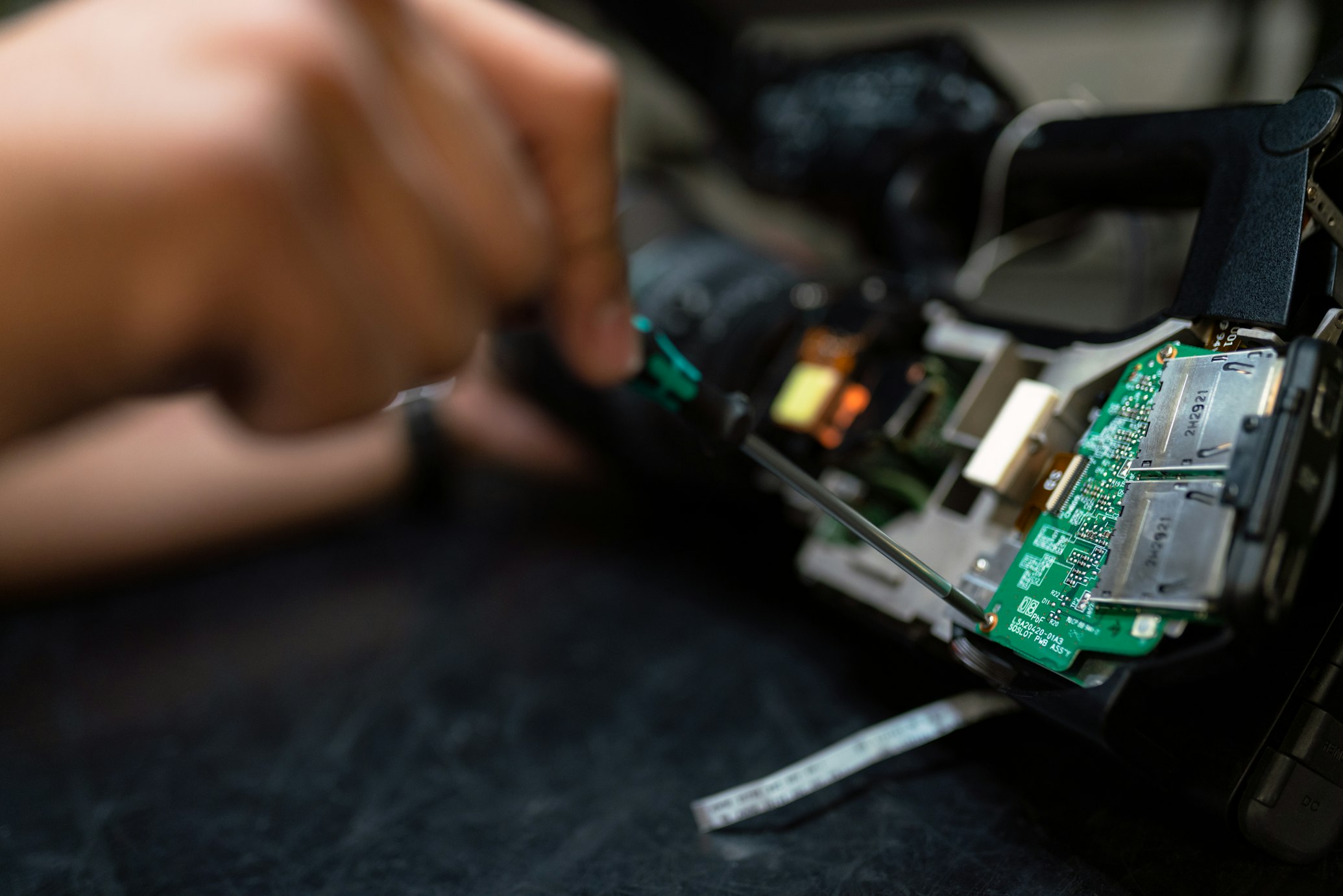
Hydraulic hose failure is the leading cause of unplanned bucket truck downtime in DFW summer operations.
Warning Signs Your Bucket Truck Is Failing
These indicators represent early-stage failure conditions. Fleet managers across DFW should treat any of these symptoms as grounds for immediate service scheduling.
Slow boom lift or extension
Schedule service within 1 week
Fluid pooling under truck
Pull from service immediately
Boom drift under load
Ground unit — do not operate
Intermittent control lag
Schedule same-day inspection
Overheating alerts
Cool down and inspect immediately
Unexpected fault codes
Diagnose before next shift
Preventive vs. Reactive Maintenance: The Real Cost in DFW
DFW utility contractors who operate on reactive maintenance consistently pay more in total fleet operating costs. The math is direct — and the data is clear.
Preventive vs. Reactive: Annual Cost Per Truck (DFW Conditions)
Annual Service Cost
Annual Downtime Days
| Cost Category | Preventive Program | Reactive Approach |
|---|---|---|
| Annual service cost (per truck) | $5,000–$8,000 | $12,000–$25,000+ |
| Average annual downtime days | 2–4 days | 15–30 days |
| OSHA compliance posture | Audit-ready, current | Chronic exposure risk |
| Hydraulic pump lifespan (DFW heat) | 8,000–12,000 hrs | 3,000–5,000 hrs |
| Emergency repair events per year | 0–1 | 4–8+ |
| Lost revenue (@ $2,000/day downtime) | ~$6,000–$8,000 | $30,000–$60,000 |
Fleet Reliability Score: Preventive vs. Reactive
Higher scores = better component health maintained through each DFW summer season. Preventive programs maintain dramatically higher reliability across all failure-prone systems.
- Preventive
- Reactive
Pre-Summer DFW Maintenance Protocol
CRANETEC recommends this specific sequence for DFW utility fleets before peak summer heat arrives each year:
Pre-Summer Hydraulic Diagnostics
Fluid viscosity testing at operating temperature (not just ambient), reservoir capacity review, and cooler function testing. Standard fleet maintenance checks ambient-temperature viscosity — which misses the North Texas problem entirely.
Hose Inspection & Proactive Replacement
In North Texas conditions, compress standard hose replacement cycles from 5 years to 3–4 years for exposed boom hoses and high-heat positions. Proactive replacement costs a fraction of emergency field replacement plus crew downtime on a summer afternoon.
Dielectric Testing & ANSI Inspection
Schedule in spring before peak summer operating intensity. Spring scheduling avoids the disruption of discovering insulation failures when the unit is in heavy summer deployment. Combine both for a single compliance event.
Mid-Summer Inspection for High-Cycle Units
The same thermal conditions that accelerate failure also compress the warning window. A 6-month inspection interval adequate in spring may be insufficient during July and August peak heat for high-cycle distribution maintenance trucks.
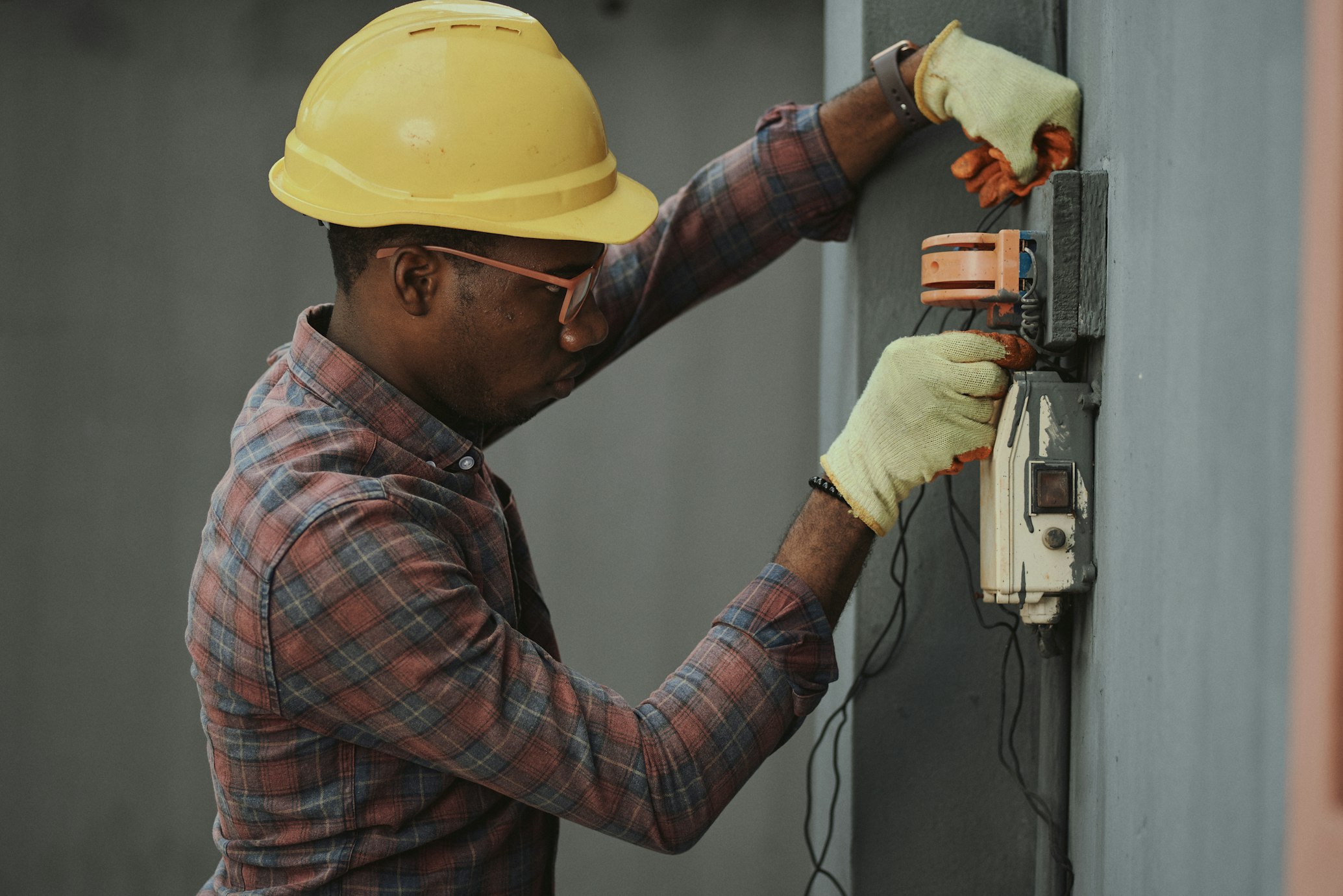
Mobile dielectric testing units travel to your DFW job site — no transport required.
Mobile Bucket Truck Repair Across DFW
When failures occur despite preventive efforts, CRANETEC's mobile response model minimizes operational disruption. Our field units are equipped for on-site hydraulic repair, hose fabrication, electrical diagnostics, and inspection across the full DFW service area.
Dallas, TX Bucket Truck Repair →
Mobile response across distribution corridors, commercial infrastructure, and municipal utility systems in Dallas County.
Fort Worth, TX Bucket Truck Repair →
Service across Tarrant County — transmission construction, industrial utility, and distribution maintenance.
Arlington, TX Bucket Truck Repair →
Centrally located between Dallas and Fort Worth for rapid response across both counties.
Irving, TX Bucket Truck Repair →
Coverage across Irving and Las Colinas — central DFW corridor utility and commercial infrastructure.
Frequently Asked Questions
Why do bucket trucks fail more often in summer?
Heat drives multiple simultaneous failure mechanisms. Hydraulic fluid viscosity drops below minimum specifications at temperatures above 200°F, causing accelerated pump wear and seal failure. Elastomeric seals harden from thermal cycling, losing contact force. Electrical control components exceed rated temperature ranges. Hose materials soften, reducing fatigue life. In North Texas, ambient temperatures exceed 100°F and equipment receives direct solar loading for 12+ hours — all mechanisms operate simultaneously at greater intensity.
Does heat affect hydraulic pressure?
Yes, in multiple ways. Thermal expansion of hydraulic fluid in a partially-enclosed system raises static pressure above the relief valve setting — increasing the load on hoses, fittings, and seals. Elevated temperature also reduces viscosity below the minimum for film strength across pump clearances, causing the pump to work harder and generate additional heat — a self-reinforcing thermal cycle that continues until something fails.
Can dielectric insulation fail from heat exposure?
Yes. Fiberglass and resin materials in insulated boom sections degrade under sustained UV and thermal exposure. Surface oxidation, micro-cracking, and thermal stress cycling reduce insulation resistance over time — faster in North Texas than in temperate climates. The failure is typically invisible to visual inspection. Annual dielectric testing is the only reliable method to detect this condition before it creates crew exposure risk on energized work.
How often should DFW utility fleets schedule inspections?
At minimum: annual ANSI A92.2 inspections and annual dielectric testing. For North Texas fleets, CRANETEC recommends pre-summer hydraulic diagnostics in April–May, a mid-summer inspection in July for high-cycle units, and formal ANSI and dielectric certification in the spring before peak operating intensity. High-cycle units in Dallas, Fort Worth, Arlington, and Irving may justify quarterly preventive visits during summer months.
Do you provide mobile bucket truck repair in DFW?
Yes. CRANETEC provides mobile bucket truck repair across Dallas, Fort Worth, Arlington, Irving, and the greater DFW metroplex. Our mobile service units carry hydraulic hose stock and fabrication equipment, diagnostic tools, electrical repair capability, and fluid service equipment — enabling same-day resolution of most field failures without towing. Contact us at (409) 752-5400 or visit cranetec.net/contact to schedule service.
Schedule DFW Bucket Truck Service with CRANETEC
Mobile response across Dallas, Fort Worth, Arlington, Irving, and the greater DFW metroplex. Hydraulic repair, hose fabrication, dielectric testing, ANSI inspections, and preventive fleet maintenance — dispatched to your North Texas job site.
CRANETEC provides mobile bucket truck repair Dallas TX, utility equipment service Fort Worth TX, mobile hydraulic repair DFW, dielectric testing bucket truck Texas, and ANSI inspection DFW across the greater Dallas–Fort Worth metroplex and North Texas.