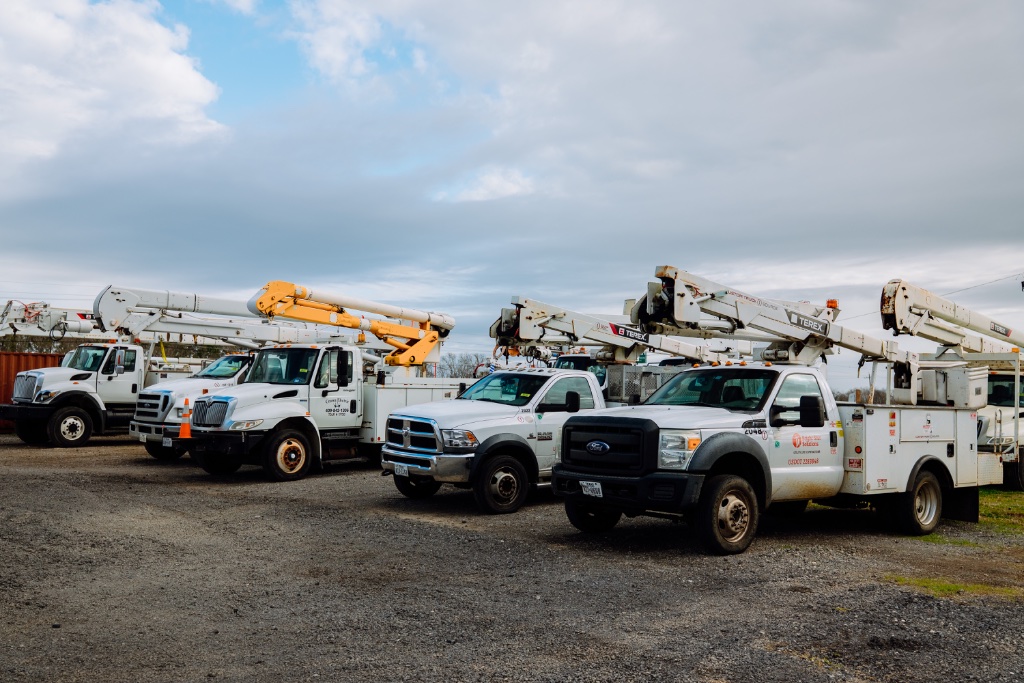
TM125 Lower Re-Hose Project
in Beaumont, Texas
Full lower re-hose including hydraulic hose replacement, fiber optic disconnection and reinstallation, hose track removal and reassembly, and complete system testing — performed at CRANETEC's Beaumont shop.
Full Lower Re-Hose on a TM125 Unit
CRANETEC completed a full lower re-hose job on a TM125 unit at the Beaumont shop location. The scope of work included the removal and replacement of hydraulic hoses throughout the lower boom assembly and hose track, disconnection and reinstallation of fiber optic lines and coax cables, bulkhead connection management, and complete system testing and commissioning upon completion.
A lower re-hose on a unit like the TM125 is a detailed, multi-phase process that requires systematic disassembly, precise labeling, and careful reinstallation to ensure every hydraulic circuit is restored to correct function. The presence of fiber optic and coax lines integrated with the hydraulic hose track adds complexity to the disassembly and reassembly sequence — all components must be managed in the correct order to avoid damage and ensure system integrity.
This project was completed at the CRANETEC Beaumont shop, which is equipped for full boom system service including hose fabrication, fiber optic handling, and hydraulic system testing. The unit was returned to service-ready condition with all hydraulic circuits tested and confirmed functional.
Hydraulic hose removal — lower assembly
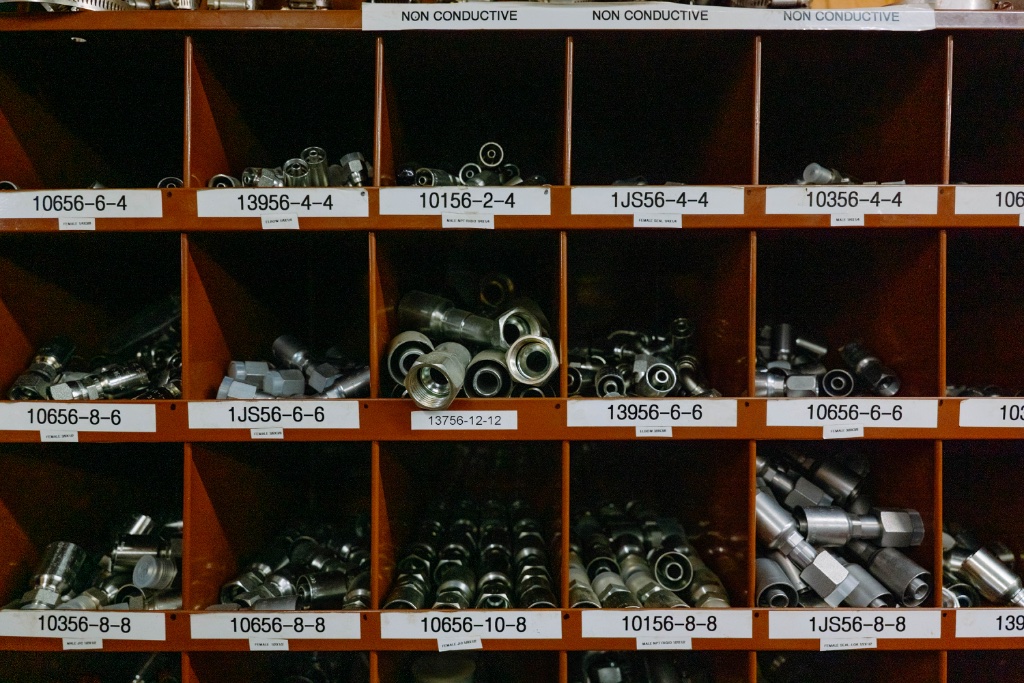
Hose labeling prior to disconnection
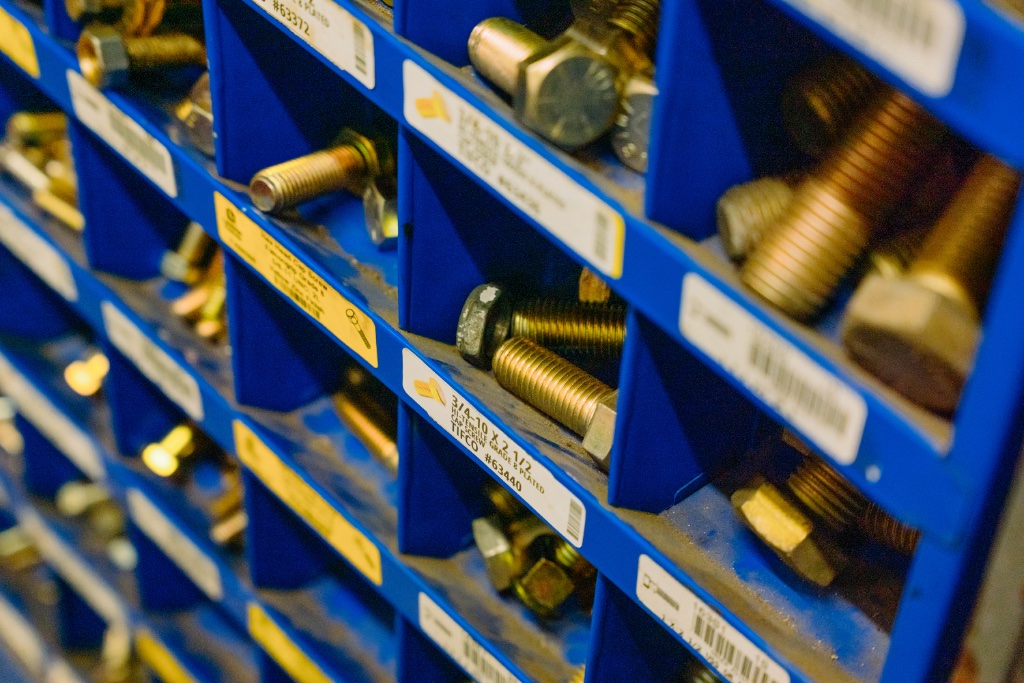
Hose track assembly pulled from boom
Worn Hoses, System Risk, and the Need for Precision
Hydraulic hoses in aerial device lower assemblies operate under sustained pressure cycling, mechanical flexing, and exposure to heat and environmental contaminants. Over time, hose material degrades, fittings develop micro-leaks, and internal liner deterioration can introduce contamination into the hydraulic circuit. On a unit like the TM125, a failing hose in the lower assembly does not just create a leak risk — it creates a system reliability risk that affects every function dependent on that hydraulic circuit.
A full hose replacement rather than spot repair was the correct approach for this unit. Replacing individual hoses while leaving degraded hoses in adjacent positions extends the problem rather than resolving it. A complete lower re-hose eliminates all aging hose material from the system simultaneously, providing a known-good baseline for the entire hydraulic circuit.
The integration of fiber optic and coax lines within the hose track assembly requires that re-hose work be executed with care and sequencing discipline. These lines cannot be replaced independently of the hose track removal process — the entire assembly must be managed as a system.
Improper hose routing, missed labels, or contaminated line ends introduced during re-hose work can result in immediate functional failures or delayed component damage after the unit returns to service. The risk of getting this work wrong is higher than the complexity of doing it correctly — which is why proper labeling, capping, and reinstallation sequence discipline are non-negotiable elements of the process.
TM125 Unit — System Components Serviced
Aerial device requiring full lower assembly re-hose service
Complete lower assembly hose set — all circuits replaced
Removed, inspected, and reinstalled with new hose routing
Disconnected, removed from track, replaced, and reconnected
Managed during disassembly and replaced with new lines
All connections released and restored at correct torque spec
All circuit connections at lower controls labeled and restored
Work Performed by CRANETEC
The following details each phase of the TM125 lower re-hose project as executed at the CRANETEC Beaumont shop.
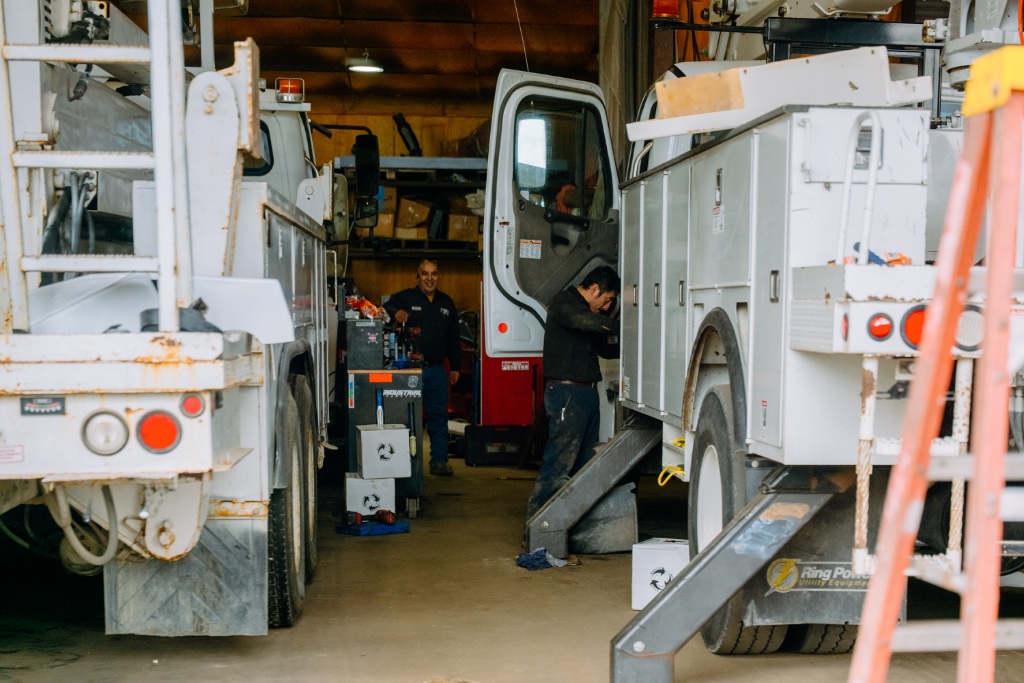
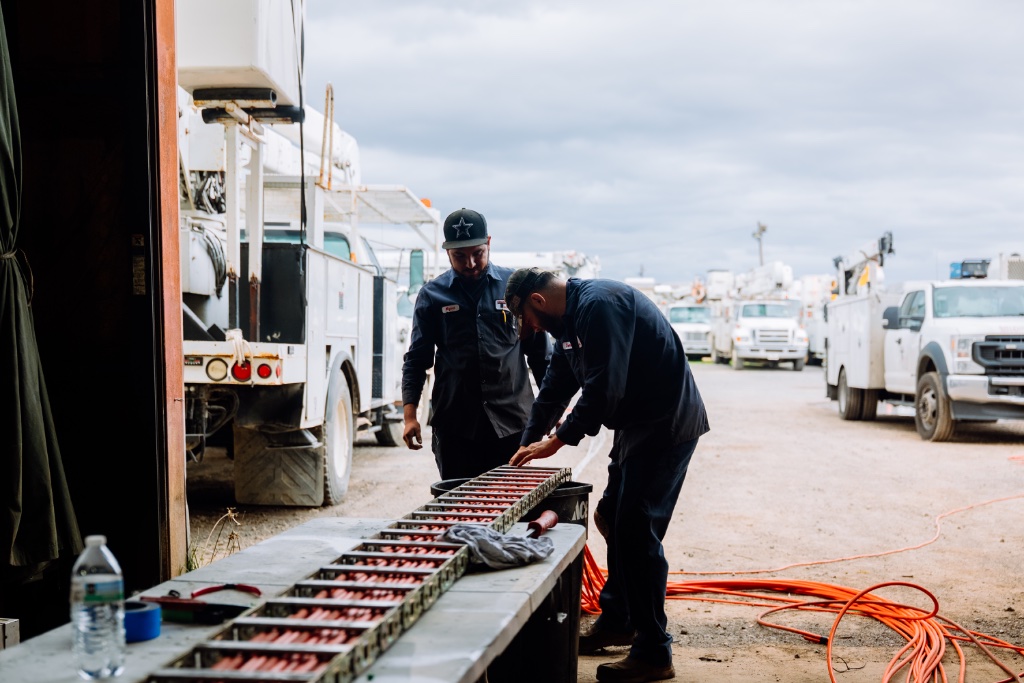
New hydraulic hose installation in progress
Fiber optic and coax reconnection
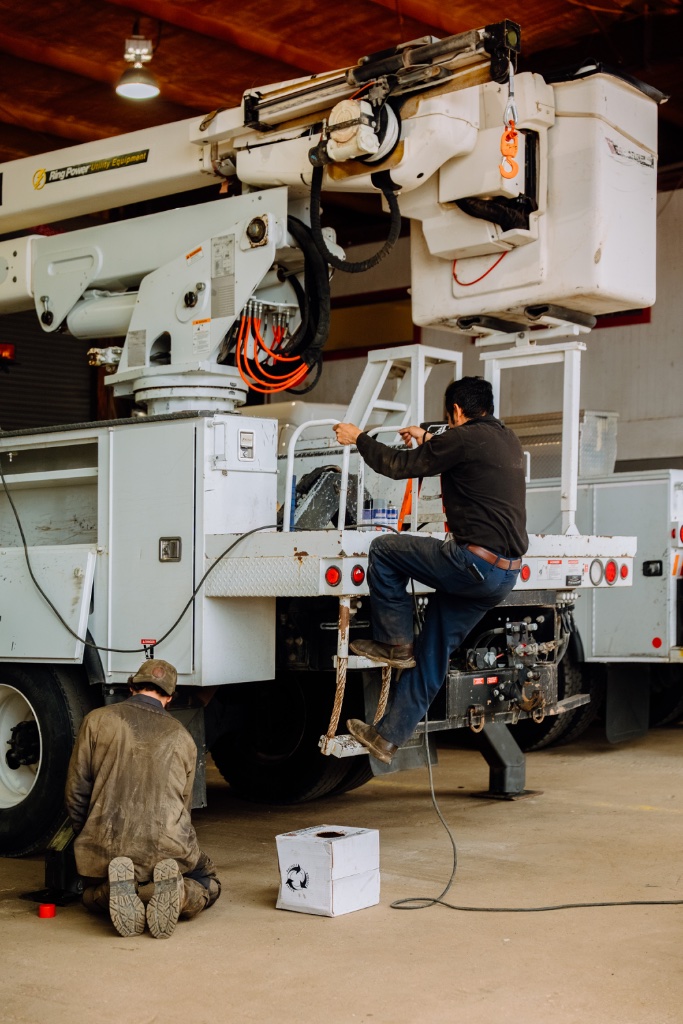
Bulkhead reconnection and system reassembly
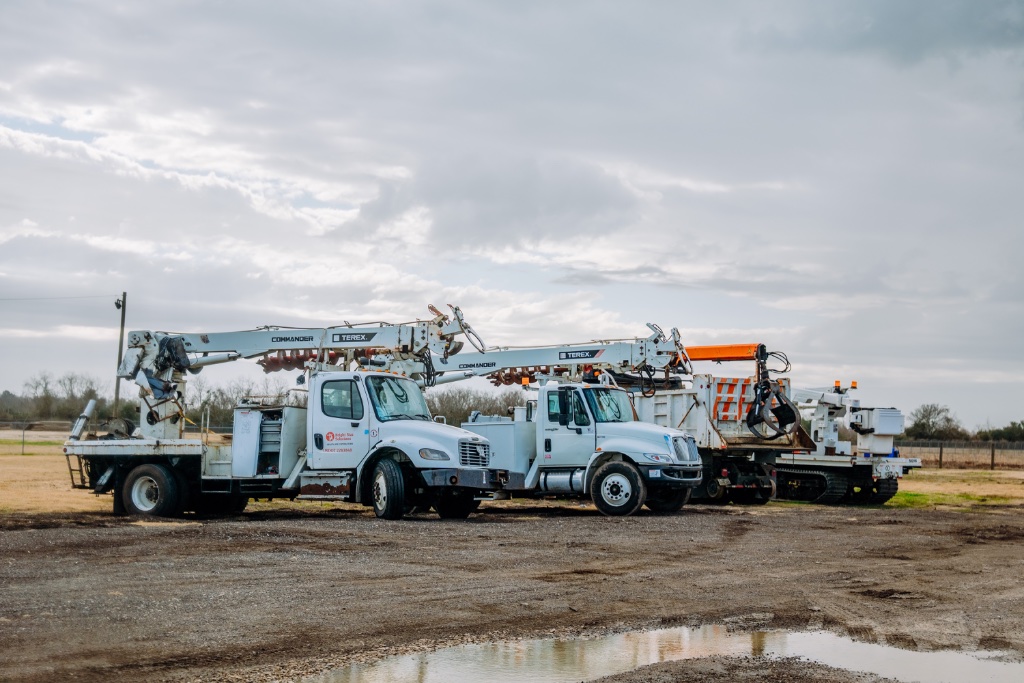
Hose track reinstalled into boom
Unit Preparation
The TM125 unit was brought into the CRANETEC Beaumont shop location and positioned for service access. The boom was staged and the unit secured to allow full access to the lower assembly, hose track, and control systems. A complete pre-work assessment was conducted to catalog existing hose routing, connection points, and component condition prior to any disassembly.
Hose Disconnection and Labeling
All hydraulic hoses at the lower controls were disconnected systematically. Each hose was labeled with its corresponding circuit identification prior to removal to ensure accurate reinstallation and prevent cross-connection errors. All open line ends were capped immediately after disconnection to prevent hydraulic fluid contamination of the system and the work environment. Proper contamination control at this stage is critical — even minor particulate ingress into a hydraulic circuit can cause downstream component failures after reassembly.
System Disassembly
Fiber optic lines and coax cables were disconnected at their respective connection points before hose track removal. Connections at the bulkhead were identified and released in the correct sequence to avoid stress on connectors or adjacent components. All disconnected components were staged and organized to support accurate reinstallation during the reassembly phase.
Hose Track Removal
The hose track assembly was extracted from the boom structure. This process required careful handling to avoid damage to the boom interior, guide channels, and any remaining connected components. All hoses, fiber optic lines, and integrated components within the track were removed and assessed. The track itself was inspected for wear, deformation, or damage that could compromise the new hose installation.
Hose and Component Replacement
New hydraulic hoses were fabricated and installed to match original specifications, including correct pressure ratings, fitting types, and bend radii for each circuit position in the track. Fiber optic and coax lines were replaced with new components. All replacement components were sourced to manufacturer specification to ensure system compatibility and reliability. Hose ends were inspected for correct seating before final assembly.
Reinstallation and Reconnection
The hose track assembly was reinstalled into the boom structure with all new hoses and lines properly routed and secured. All lines were reconnected at the bulkhead and lower controls using the labeling system established during disassembly — ensuring every circuit was restored to its correct position. Fiber optic and coax systems were reconnected and verified. Torque specifications were observed at all fitting connections.
Testing and Finalization
Full system operation was tested across all hydraulic circuits and control functions to verify correct function and absence of leaks. Hydraulic oil was topped off to correct operating level. The unit was cleaned and all work areas were cleared. The TM125 was returned to service-ready condition with all systems confirmed functional and documented.
Hydraulic Integrity and System Reliability
Hydraulic systems on aerial devices like the TM125 are safety-critical systems. Every function that positions the operator — boom elevation, rotation, jib extension, basket leveling — depends on hydraulic pressure delivered through hoses that must remain intact under cyclic loading, temperature variation, and physical stress. A hose failure in service is not an inconvenience; it is a potential safety event.
Proper hose routing prevents premature wear from contact points, pinch locations, and excessive flex radius. Hoses installed without attention to routing will fail earlier and more unpredictably than hoses installed to specification. The labeling and systematic reinstallation process used in this project ensures that every hose is positioned correctly — not just connected correctly.
Full system replacement rather than targeted patch repairs eliminates the failure risk gradient created by mixed-age hose material. When all hoses are replaced simultaneously, the maintenance cycle is reset across the entire lower assembly — providing a predictable service life and allowing scheduled re-hose intervals to be established rather than managing reactive individual hose failures.
The fiber optic and coax system integration managed during this project supports boom control and monitoring functions that depend on signal integrity. Damage to these lines during hose work can produce intermittent or failed control functions that are difficult to diagnose after the fact — making proper handling during re-hose a critical element of the overall project quality.
Project Outcomes
All hydraulic circuits in the lower assembly confirmed functional following reinstallation and testing. Correct system pressure and function verified across all circuits before unit release.
All aging hose material removed from the system. New hoses installed to specification eliminate the leak risk associated with degraded fittings and liner deterioration in the replaced components.
All fiber optic and coax lines replaced and reinstalled without damage. Control system functions dependent on these lines confirmed operational following system testing.
Project completed at the Beaumont shop with the unit returned to service-ready condition. No extended downtime beyond the planned service event.
Complete service documentation provided for the re-hose project, supporting maintenance history tracking and future scheduled service planning.
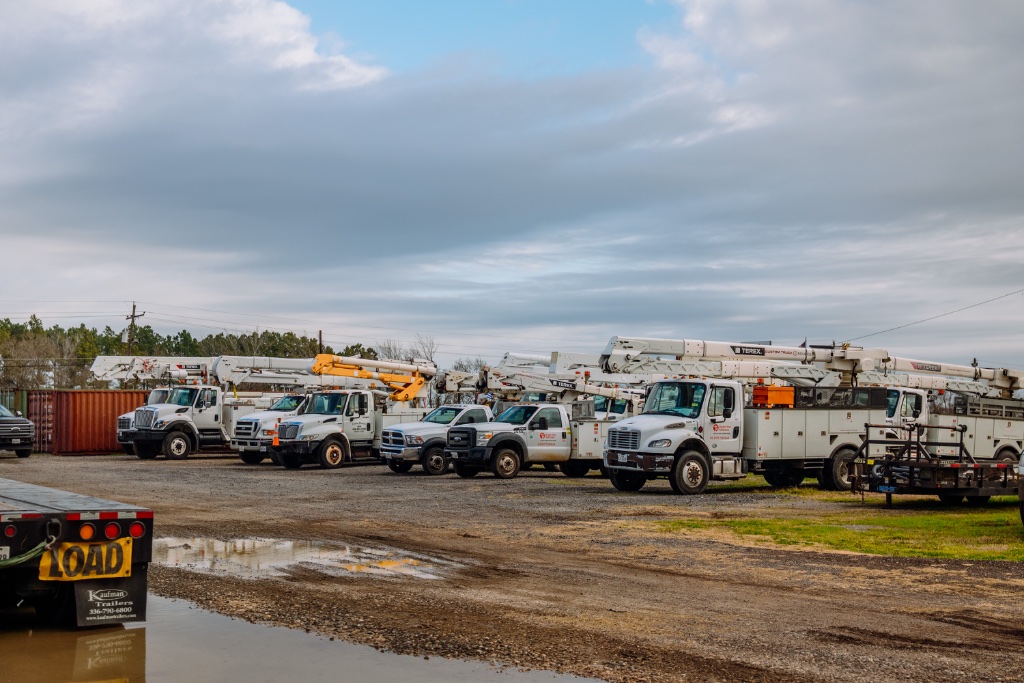
Unit returned to service-ready condition
Frequently Asked Questions
Related Services
The hydraulic and repair capabilities demonstrated in this project are part of CRANETEC's broader service offering for contractor fleets across Texas, Louisiana, Florida, and North Carolina.
Need Hydraulic Repair or Re-Hose Service?
CRANETEC provides hydraulic repair, hose replacement, and mobile service for contractor fleets across Texas, Louisiana, Florida, and North Carolina. Shop and field service available.
Request Hydraulic Repair Service
Complete the form and a CRANETEC coordinator will be in touch.
Why CRANETEC
Trusted by Contractor Fleets Across Multiple States
CRANETEC has provided specialized mobile utility equipment service to contractor fleets and municipalities since 1995 — delivering on-site service, fast response, and complete compliance documentation across Texas, Louisiana, Florida, and North Carolina.
CRANETEC completed a TM125 lower re-hose project in Beaumont, TX including full hydraulic hose replacement, fiber optic and coax line management, hose track removal and reinstallation, and complete system testing. CRANETEC provides bucket truck hydraulic repair, hose replacement, and mobile maintenance for contractor fleets across Texas, Louisiana, Florida, and North Carolina. Services include mobile hydraulic hose repair, boom truck re-hose, cylinder rebuilding, hydraulic flush, and pressure testing. Beaumont TX shop service and field dispatch available.