
Louisiana utility contractors operate in one of the most demanding service environments in the country. The combination of a humid subtropical climate, coastal salt air exposure, high-cycle utility operations across industrial corridors from Lake Charles to Baton Rouge, and the recurring infrastructure demands driven by storm events creates equipment maintenance requirements that are more intensive than in most U.S. utility markets. For fleet managers and contractors responsible for bucket trucks and aerial devices across Louisiana — whether serving the Lake Charles petrochemical corridor, the Lafayette telecommunications and electric utility market, the Baton Rouge industrial grid, or distribution networks across Sulphur, Shreveport, and Alexandria — utility equipment maintenance Louisiana is not a discretionary activity. It is the operational foundation on which job site reliability, crew safety, and regulatory compliance are built.
CRANETEC provides mobile utility equipment service across Louisiana, delivering hydraulic repair, ANSI inspections, dielectric testing, and preventive maintenance to Louisiana utility fleets without requiring transport to a fixed facility. This article outlines the maintenance requirements, environmental factors, and compliance standards that define effective utility equipment maintenance Louisiana programs.
Mobile Utility Equipment Service — Louisiana
CRANETEC dispatches mobile service units across Lake Charles, Lafayette, Baton Rouge, Sulphur, Shreveport, Alexandria, and surrounding Louisiana regions. Hydraulic repair, ANSI inspections, dielectric testing, and preventive maintenance at your facility or job site.
Call Now: (409) 752-5400Why Utility Equipment Maintenance Matters in Louisiana
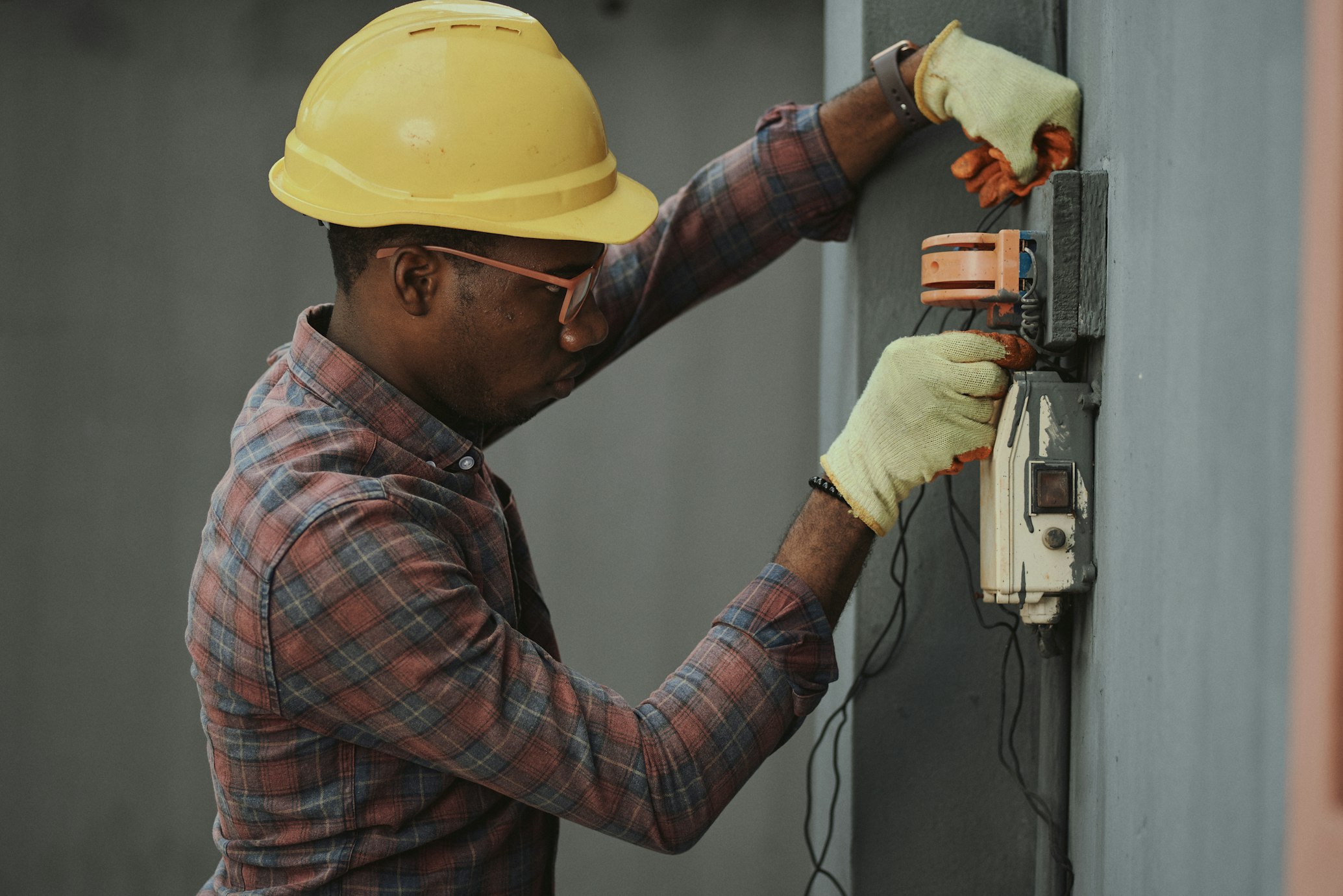
Louisiana's operating environment creates maintenance demands that compress normal equipment service intervals and intensify the consequences of deferred maintenance. Understanding the specific environmental and operational factors that affect utility fleet maintenance Louisiana performance is essential for building an effective maintenance program.
Humid Climate Effects on Equipment
Louisiana's average relative humidity runs 70–80% year-round, with coastal areas frequently exceeding 85% during summer months. At these humidity levels, hydraulic seal materials absorb atmospheric moisture continuously, accelerating degradation that produces cylinder rod weeping and eventual seal failure. Electrical control system components — relay contacts, connector interfaces, junction box internals — experience continuous oxidation that increases resistance and produces erratic control behavior. Structural bolt and pin interfaces corrode, with corrosion products occupying dimensional tolerance space and accelerating wear rates. Maintenance interval assumptions built for drier climates systematically underestimate service requirements for Louisiana utility fleets.
Coastal Environmental Exposure
Contractors operating in coastal Louisiana markets — Lake Charles, Sulphur, and surrounding Cameron and Calcasieu Parish areas — face salt-laden air that dramatically accelerates corrosion on exposed metal surfaces. Salt particles carried in coastal air deposit on hydraulic fittings, boom structure, outrigger frames, and electrical enclosures, creating electrochemical corrosion at rates that can compromise structural integrity and seal seating surfaces within relatively short service periods. Insulated boom sections in coastal environments accumulate salt contamination that reduces surface resistance and can affect dielectric test performance. Regular fresh-water washing of equipment operating in coastal exposure zones is a maintenance requirement, not a cosmetic preference.
High-Duty Utility Operations
Louisiana's industrial utility market — centered on the petrochemical corridor from Lake Charles through Baton Rouge — generates sustained high-duty equipment cycles. Utility contractors serving industrial plant turnaround work, transmission infrastructure maintenance in the Baton Rouge and Lafayette markets, and distribution operations across Shreveport and Alexandria run equipment at utilization rates that compress maintenance interval assumptions. Units that log normal cycle counts in a standard utility market may reach the same cycle accumulation in Louisiana in two-thirds of the calendar time, requiring proportionally more frequent service intervals for hydraulic and electrical systems.
Infrastructure Maintenance Demands
Louisiana's distribution and transmission infrastructure bears recurring storm impact that generates sustained maintenance and restoration work cycles not seen in most other U.S. utility markets. Contractors supporting infrastructure maintenance across the state maintain equipment under conditions that can transition rapidly from routine distribution work to emergency storm restoration operations — requiring that equipment be simultaneously maintained to routine operational standards and ready for the more demanding requirements of storm response deployment.
Core Maintenance Requirements for Bucket Trucks
Effective bucket truck maintenance Louisiana programs address each of the primary system categories that determine operational reliability and regulatory compliance. The following sections detail the specific maintenance requirements for each system.
Hydraulic System Inspections
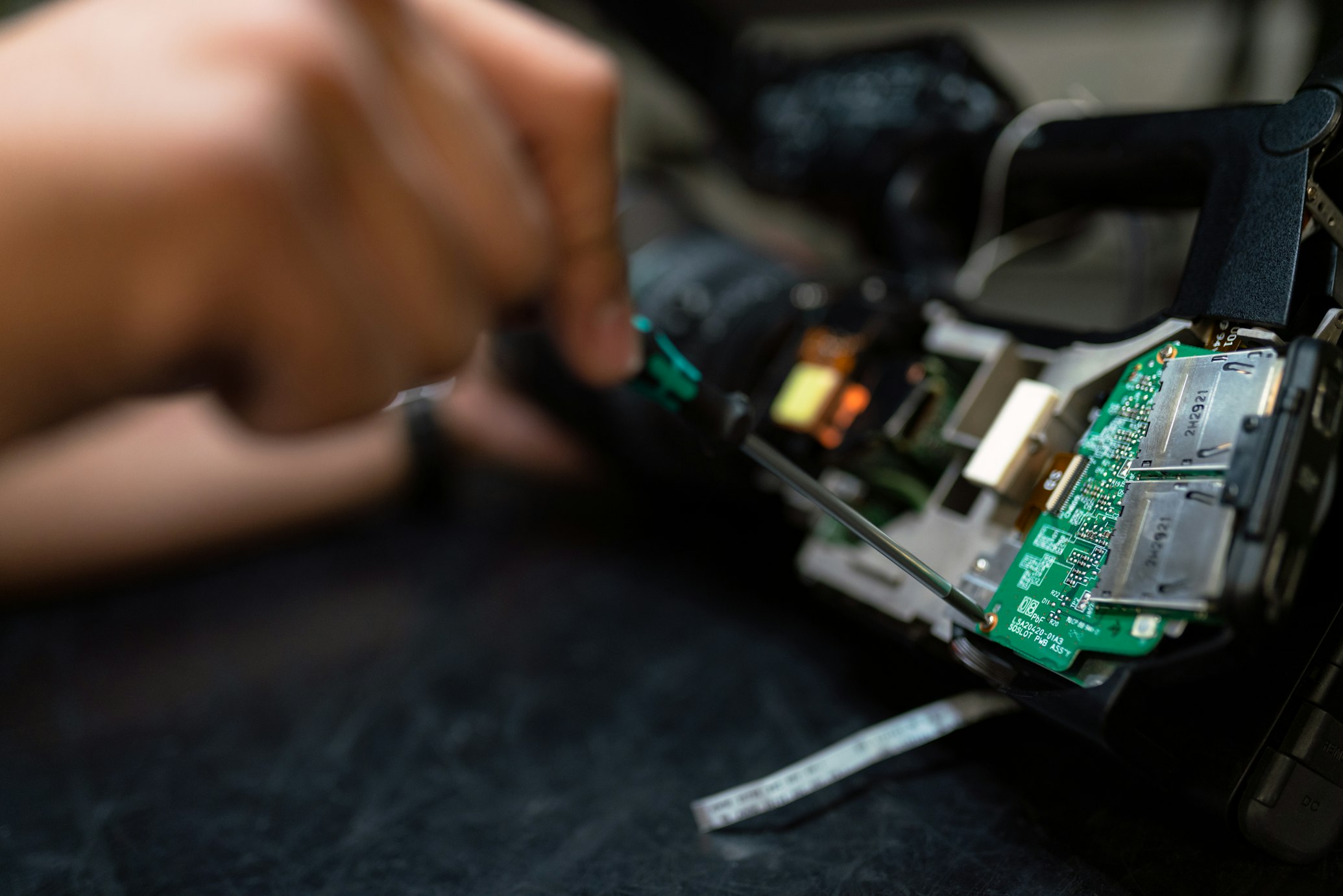
Hydraulic repair Louisiana utility equipment demand is higher than in most comparable markets due to the combined effects of thermal cycling in Louisiana's climate and the moisture absorption effects on hydraulic fluid and seal materials. Hydraulic system inspection for Louisiana fleet maintenance should include fluid viscosity and contamination analysis at least quarterly — not just annually — for units operating in high-humidity coastal environments. Water content in hydraulic fluid should be specifically tested, as moisture infiltration through reservoir breather systems is accelerated in high-humidity environments.
Hose assembly inspection should evaluate cover condition for UV and ozone degradation — both accelerated in Louisiana's intense UV environment and high-ozone coastal air. End fitting corrosion at crimp ferrules should be assessed on every unit at each scheduled service. Cylinder rod surface condition should be checked for scoring or pitting that will accelerate seal wear, and cylinder seal integrity should be tested under sustained load to detect any drift indicating seal deterioration.
Structural Boom Components
Boom structural inspection in Louisiana must specifically address the accelerated corrosion environment. Weld inspection at high-stress joints should evaluate both structural integrity and corrosion penetration — surface corrosion at weld toes can mask sub-surface crack initiation in the heat-affected zone. Pin and bushing interfaces in coastal-exposure units should be inspected for dimensional wear driven by corrosion products in the bearing interface, which accelerates wear at rates that significantly exceed the progression seen in non-coastal environments.
Structural fastener condition — particularly fasteners in bolt flange connections and mounting plate assemblies — should be assessed at each service for corrosion and proper torque retention. High-humidity environments allow corrosion to develop at fastener interfaces that reduces clamping force over time, creating loosening that would not occur at the same interval in drier operating conditions. Boom section extension hardware, rotation bearing condition, and leveling system linkage should all be evaluated against manufacturer specifications rather than simply confirmed as functional.
Electrical System Diagnostics
Electrical system maintenance for Louisiana utility equipment should address the full control circuit rather than only the components that have produced active failures. Control enclosure sealing is the primary maintenance item for humid-environment electrical systems — gaskets and seals that keep moisture out of junction boxes and control modules degrade over time, and Louisiana's humidity creates conditions where even minor enclosure seal failure allows moisture accumulation inside the enclosure that promotes corrosion of all components within.
Connector interface inspection should include physical removal and examination of connector bodies for moisture tracks, green oxide deposits, or discoloration — all indicators of prior water infiltration. Relay and contactor contacts should be assessed for contact resistance, which increases as corrosion develops on contact surfaces in humid environments. Battery load testing — not just voltage measurement — should be performed quarterly for units in high-humidity environments where battery case seal degradation can allow moisture infiltration that accelerates internal corrosion.
Outrigger Stability Systems
Outrigger maintenance in Louisiana must account for both the mechanical systems and the ground conditions characteristic of Louisiana utility work. Louisiana's high water table and frequently saturated soils — particularly in coastal and low-lying areas of the state — create outrigger pad sinking risks during operations that are not present in well-drained environments. Outrigger pad condition inspection should confirm that pad surface area and structural integrity meet manufacturer specifications for the load cases the unit will encounter in Louisiana's challenging ground conditions.
Outrigger cylinder seals should be inspected for rod seal weeping under sustained load — a specific concern in Louisiana's humidity environment where seal degradation rates are higher. Interlock system function should be verified to confirm that boom operation interlocks properly with outrigger deployment state, preventing aerial operation without proper outrigger support. Control valve condition for outrigger circuits should be included in hydraulic system service, as contamination-related valve malfunction is a common outrigger failure mode.
Insulated Boom Protection
Insulated boom sections require specific maintenance attention in Louisiana's coastal and humid environment. Salt and contamination accumulation on boom insulation surfaces reduces surface resistance and can affect dielectric performance between annual test cycles. Regular inspection and cleaning of insulated boom sections using approved cleaning methods — not pressure washing with plain water, which can drive contamination into surface imperfections — is a required maintenance activity for units operating in Louisiana coastal markets.
Insulation surface condition should be inspected for cracking, crazing, UV degradation, and any evidence of physical damage that compromises the insulation barrier. Hydraulic fluid contamination on insulated surfaces is a specific failure mode that requires immediate remediation and may require dielectric retesting before the unit is returned to energized-line service. Units operating near petrochemical facilities in the Lake Charles and Baton Rouge industrial corridors should be specifically inspected for chemical contamination of insulated surfaces.
Preventive Maintenance for Louisiana Utility Fleets

Louisiana Utility Fleet Preventive Maintenance Workflow
Quarterly
- Hydraulic fluid analysis
- Hose condition assessment
- Electrical enclosure check
- Connector inspection
- Insulation surface clean
Semi-Annual
- Cylinder drift testing
- Structural hardware torque
- Battery load test
- Outrigger function cycle
- Boom hardware inspection
Annual
- ANSI A92.2 inspection
- Dielectric testing
- Weld examination
- Full seal replacement eval
- Documentation update
Daily
- Operator pre-op inspection
- Control function test
- Fluid level check
- Outrigger deployment check
- Deficiency logging
Scheduled Inspection Programs
Structured preventive maintenance scheduling is the single most effective operational measure for controlling utility equipment maintenance Louisiana costs and maintaining fleet availability. Reactive maintenance — responding to failures after they occur — consistently produces higher total cost than prevention: emergency service dispatch, crew downtime, potential contract performance impact, and accelerated component wear from operating beyond maintenance intervals all contribute to a cost profile that exceeds scheduled prevention by a wide margin.
Louisiana utility contractors should establish maintenance schedules that reflect the state's environmental demands rather than applying generic industry interval assumptions. For units operating in coastal markets — Lake Charles, Sulphur, and surrounding areas — quarterly hydraulic service and electrical system inspection is appropriate. For units in inland markets — Shreveport, Alexandria, Baton Rouge — semi-annual hydraulic service may be adequate for lower-cycle units, with quarterly service for high-cycle equipment.
Hydraulic Hose Replacement Cycles
Hydraulic hose service life in Louisiana's operating environment is shorter than manufacturer estimates developed for standard operating conditions. UV exposure from Louisiana's intense solar radiation, ozone degradation in coastal air, thermal cycling, and the physical stress of high-cycle operations combine to reduce hose cover integrity faster than in moderate environments. Louisiana utility fleet maintenance programs should establish proactive replacement cycles based on hose age and condition rather than waiting for visual failure indicators — a burst hose at a job site is more disruptive and expensive than scheduled replacement during a preventive service event.
Electrical Component Testing
Electrical component testing for Louisiana utility fleets should extend beyond functional verification to include component condition assessment. Insulation resistance testing on wiring harnesses, contact resistance measurement at relay and contactor interfaces, and enclosure seal integrity verification provide advance warning of developing failures before they produce operational disruptions. Units with harness insulation degradation detected during testing can be scheduled for repair during planned downtime — avoiding the scenario where harness failure produces an unplanned outage during active utility work.
Cleaning Insulated Booms
Insulated boom cleaning is a maintenance function that requires specific products and procedures to be effective without damaging boom insulation. Approved cleaning agents that remove salt, hydraulic fluid, and industrial contamination without attacking fiberglass or composite insulation materials should be used. Cleaning frequency for coastal Louisiana units should be monthly or more often during periods of elevated atmospheric salt loading. Following cleaning, boom surface condition should be inspected and any deficiencies documented. Units with surface deficiencies that could affect dielectric performance should not be returned to energized-line service until the condition is assessed and, if necessary, retested.
Compliance Requirements for Louisiana Contractors
ANSI Inspection Requirements
ANSI inspection Louisiana bucket trucks follow the same federal regulatory framework as all other U.S. states. ANSI A92.2 requires annual inspection by a qualified person — an individual with specific training, knowledge, and experience with aerial device inspection. The inspection must cover structural, hydraulic, electrical, and safety system components against the applicable ANSI standard for the specific unit type.
- Annual inspection by qualified person — mandatory
- Frequent inspection at intervals not exceeding 3 months
- Daily pre-operation inspection by operator before each shift
- Inspection records maintained and available on-site
- Deficiency documentation with corrective action tracking
Dielectric Testing Schedules
Dielectric testing Louisiana contractors must maintain for energized-line work follows OSHA 1926.950 requirements under the electric power generation, transmission, and distribution standard. Annual testing is the regulatory minimum — but Louisiana's environment creates conditions where mid-year retesting may be appropriate after contamination events or insulation surface damage.
- Annual dielectric test for energized-line units — mandatory
- Retest required after insulation damage or contamination
- Test records with voltage and leakage values maintained
- Certification decal affixed and dated on each unit
- Test performed by qualified testing service with calibrated equipment
OSHA electrical safety standards establish the federal compliance framework for utility equipment operations in Louisiana and across all U.S. states. Louisiana utility contractors are not subject to a state-plan OSHA — federal OSHA standards apply directly. Compliance with OSHA 1926 Subpart V for electric power transmission and distribution work, and OSHA 1926 Subpart L for aerial work platforms, is required regardless of project size or client type.
Compliant vs. Non-Compliant Fleet: Louisiana Utility Contractors
| Operational Factor | Compliant Fleet | Non-Compliant Fleet |
|---|---|---|
| ANSI inspection status | Current — all units | Expired or missing |
| Dielectric certification | Current — all energized-line units | Lapsed or untested |
| Hydraulic failure rate | Low — proactive maintenance | High — reactive repairs |
| Equipment availability | 90%+ fleet availability | 70–80% availability |
| Utility client qualification | Qualified for major utility work | Disqualified or restricted |
| OSHA violation exposure | Minimal | Significant — per-unit fines |
| Annual maintenance cost trend | Stable or declining | Increasing — deferred issues compounding |
Louisiana Utility Fleet Maintenance Checklist
Mobile Utility Equipment Service Across Louisiana
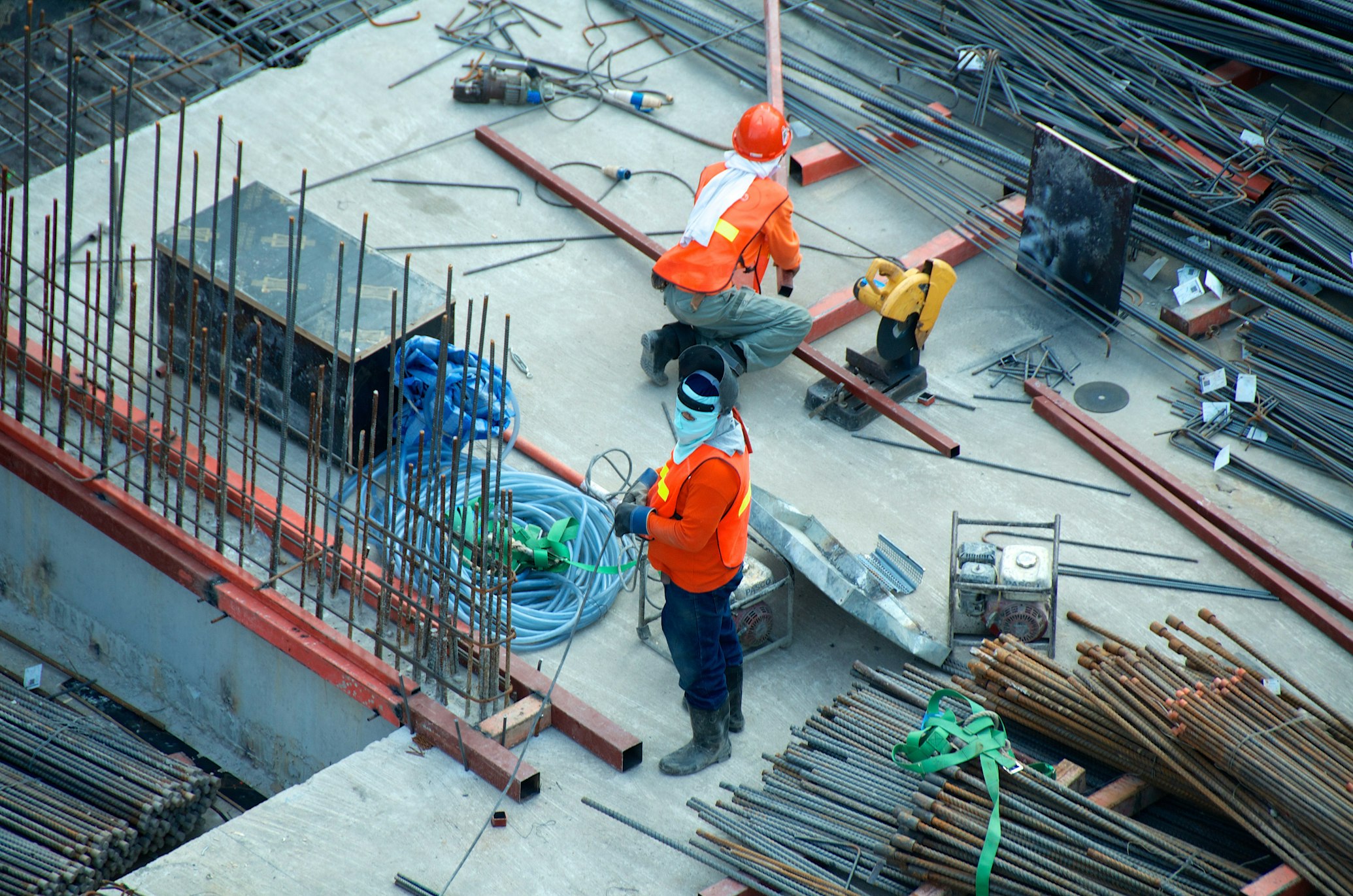
The traditional model for utility equipment maintenance Louisiana — scheduling shop appointments and transporting equipment to fixed facilities — creates significant operational friction for contractors managing active job sites across a geographically dispersed state. Transport time, towing costs, shop queue wait, and equipment unavailability during transit all represent real operational costs that mobile service eliminates.
CRANETEC's mobile utility equipment service Louisiana model delivers the full range of maintenance, inspection, and repair services directly to Louisiana contractor facilities, fleet yards, and job sites. Our mobile service units carry the equipment and materials to perform hydraulic hose inspection and same-day replacement with on-site fabrication, hydraulic fluid service and analysis, cylinder seal assessment and replacement for common configurations, electrical system diagnostics and component servicing, ANSI A92.2 qualified inspections, and dielectric testing — all at the contractor's location, without transport.
Louisiana Mobile Service — Full Coverage
CRANETEC dispatches mobile service units to fleet yards, job sites, and contractor facilities across Louisiana. Hydraulic repair, ANSI inspections, dielectric testing, and preventive maintenance — at your location.
Mobile Services Available
- Hydraulic hose inspection and fabrication
- Cylinder seal assessment and replacement
- Hydraulic fluid service and analysis
- Electrical system diagnostics
- ANSI A92.2 annual inspections
- Dielectric testing and certification
Louisiana Service Areas
CRANETEC provides mobile utility equipment service Louisiana across the state's primary utility contractor markets. The following service areas represent the geographic range of our Louisiana field service operations.
Lake Charles, LA
Mobile utility equipment service across the Lake Charles market and Calcasieu Parish — including hydraulic repair, ANSI inspections, and dielectric testing for contractors serving the petrochemical corridor and distribution infrastructure in southwest Louisiana's coastal environment.
Lafayette, LA
Utility equipment maintenance and mobile inspection services across Lafayette and the Acadiana region — supporting telecommunications, electric utility, and industrial utility contractors operating across south-central Louisiana's growing infrastructure market.
Baton Rouge, LA
Mobile utility equipment service across the Baton Rouge metro and East Baton Rouge Parish — serving contractors in Louisiana's capital city market with hydraulic repair, ANSI inspection, and fleet maintenance services for industrial and distribution utility operations.
Sulphur, LA
On-site utility equipment maintenance for contractors operating in Sulphur and the surrounding Calcasieu Parish industrial areas — with specific capability for coastal-exposure equipment requiring salt contamination remediation and accelerated maintenance intervals.
Shreveport, LA
Mobile utility equipment service across Shreveport and northwest Louisiana — supporting transmission and distribution contractors, telecommunications fleets, and municipal utility operations across the Shreveport–Bossier City metro and surrounding Caddo and Bossier parishes.
Alexandria, LA
Utility equipment maintenance and mobile inspection coverage across Alexandria and central Louisiana — serving contractors operating across Rapides Parish and the central Louisiana utility market with full-scope hydraulic, electrical, and compliance services.
For full Louisiana service scope and capabilities, visit the Louisiana Utility Equipment Service page. To schedule mobile service or request emergency dispatch, contact us at cranetec.net/contact or call (409) 752-5400. View all available services at cranetec.net/services.
Related Louisiana Utility Equipment Resources
CRANETEC supports utility contractors across Louisiana with mobile inspections, hydraulic repair, dielectric testing, preventive maintenance, and storm-response equipment service. Explore related Louisiana resources below.
- Louisiana Mobile Utility Equipment Service
- Utility Equipment Maintenance for Louisiana Contractors
- Common Bucket Truck Failures in Louisiana's Humid Climate
- Dielectric Testing Requirements for Louisiana Contractors
- Storm Response Equipment Preparation in Louisiana
Supporting Utility Contractors Across the Gulf Coast
Utility contractors working across the Gulf Coast often manage fleets that operate in both Texas and Louisiana. Consistent inspection programs, dielectric testing, hydraulic maintenance, and mobile field service are critical for keeping utility equipment compliant and operational across regional job sites. CRANETEC supports contractors across both states with mobile utility equipment service tailored to demanding field conditions.
Frequently Asked Questions
How often should bucket trucks be maintained in Louisiana?
Louisiana's humid subtropical climate and coastal exposure compress standard maintenance intervals. Bucket truck maintenance Louisiana programs should schedule quarterly hydraulic inspections including fluid analysis for coastal-market units, semi-annual electrical system servicing, annual ANSI A92.2 inspections, and annual dielectric testing for energized-line units. Daily pre-operation inspections are required under OSHA standards. High-cycle units in industrial markets should receive more frequent service than the regulatory minimums suggest.
What inspections are required for utility equipment?
Louisiana utility contractors must maintain: annual ANSI A92.2 inspection by a qualified person, annual dielectric testing for energized-line units, frequent inspection at intervals not exceeding three months, and daily operator pre-operation inspection before each shift. ANSI inspection Louisiana bucket trucks must cover all structural, hydraulic, electrical, and safety system components. Documentation must be maintained and available on-site.
Does humidity affect aerial lift performance?
Yes, significantly. Louisiana's consistently high relative humidity accelerates hydraulic seal degradation, electrical contact corrosion, structural corrosion at pin and bolt interfaces, and insulation surface contamination on aerial device booms. Units operating in coastal markets — Lake Charles, Sulphur — face the additional factor of salt-laden air that intensifies these effects. Utility equipment maintenance Louisiana programs must account for these climate factors with more frequent service intervals than would be appropriate in drier operating environments.
Are ANSI inspections required every year?
Yes. ANSI A92.2 requires annual inspection by a qualified person for all aerial devices used in utility work — this is a regulatory requirement, not a recommendation. OSHA electrical safety standards additionally require annual dielectric testing for units operating near energized conductors. CRANETEC provides certified mobile ANSI inspections and dielectric testing across Louisiana.
Can maintenance be performed on-site?
Yes. CRANETEC's mobile service units perform the full scope of utility fleet maintenance Louisiana at contractor locations — hydraulic hose replacement with on-site fabrication, fluid service, cylinder seal replacement, electrical diagnostics, ANSI inspections, and dielectric testing. Mobile service eliminates transport costs and equipment unavailability during transit, keeping your fleet at your facility throughout the service process.
How do contractors schedule mobile utility equipment service in Louisiana?
Contact CRANETEC at (409) 752-5400 for emergency service or scheduled mobile utility equipment service Louisiana. Fleet managers can also use the scheduling form at cranetec.net/contact to arrange coordinated fleet service events combining hydraulic inspection, electrical diagnostics, ANSI inspection, and dielectric testing in a single mobile visit across Lake Charles, Lafayette, Baton Rouge, Sulphur, Shreveport, or Alexandria.
Mobile Bucket Truck Repair in Lake Charles
CRANETEC provides mobile bucket truck repair and utility equipment service in Lake Charles, Louisiana supporting contractors across Southwest Louisiana industrial and infrastructure projects.
Lake Charles, LA Bucket Truck Repair →CRANETEC — Louisiana Utility Equipment Maintenance Partner
Mobile hydraulic repair, ANSI inspections, dielectric testing, and preventive maintenance across Lake Charles, Lafayette, Baton Rouge, Sulphur, Shreveport, Alexandria, and throughout Louisiana. Utility equipment maintenance Louisiana delivered at your location.
CRANETEC provides utility equipment maintenance, mobile hydraulic repair, ANSI inspections, and dielectric testing across Louisiana including Lake Charles LA, Lafayette LA, Baton Rouge LA, Sulphur LA, Shreveport LA, and Alexandria LA. Serving Louisiana utility contractors since 1995.